Back to Blogs

What to Do in a Broken Tooth Emergency

Managing a broken tooth emergency requires quick preservation steps and prompt restorative care at Loop Dental.

November 5, 2026
•
5 min read
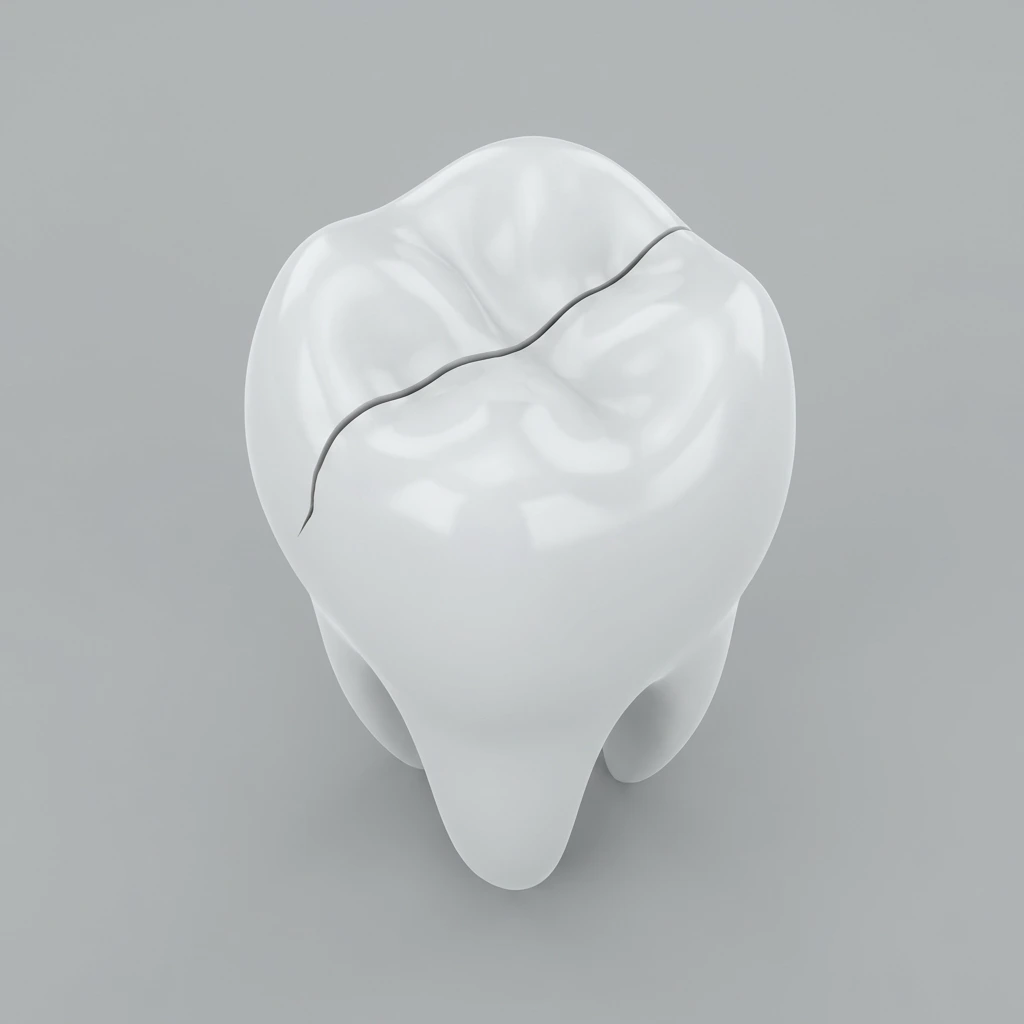
A white molar tooth with a distinct crack line across its chewing surface sits centered against a neutral gray background.
Back to Blogs
A white molar tooth with a distinct crack line across its chewing surface sits centered against a neutral gray background.

What to Do in a Broken Tooth Emergency

Managing a broken tooth emergency requires quick preservation steps and prompt restorative care at Loop Dental.

November 5, 2026
•
5 min read

Immediate Actions for a Broken Tooth Emergency

If you experience a broken tooth emergency, immediately rinse your mouth with warm water, apply gentle pressure using clean gauze to stop any bleeding, and preserve any broken fragments in milk or saliva. Contact Loop Dental promptly so Dr. Herzig can evaluate the damage and protect the exposed inner tooth structures.

Patients often need clear guidance when a dental injury happens unexpectedly. Sudden fractures can happen during meals, sports, or unexpected falls, exposing vulnerable nerve endings and tooth pulp to oral bacteria. Taking prompt, methodical steps helps limit infection risk and can improve the chance that our team can save your natural tooth structure.

When a break occurs, avoid chewing on the affected side and never apply aspirin directly to the gums, as this causes chemical burns. Instead, use an ice pack on the cheek to reduce localized swelling and manage initial discomfort until you can reach our Minneapolis clinic.

A patient in a knit sweater stands in a kitchen, holding a blue gel cold compress against her cheek beside a small jar of milk on the counter.

How Do You Preserve a Broken Tooth Fragment?

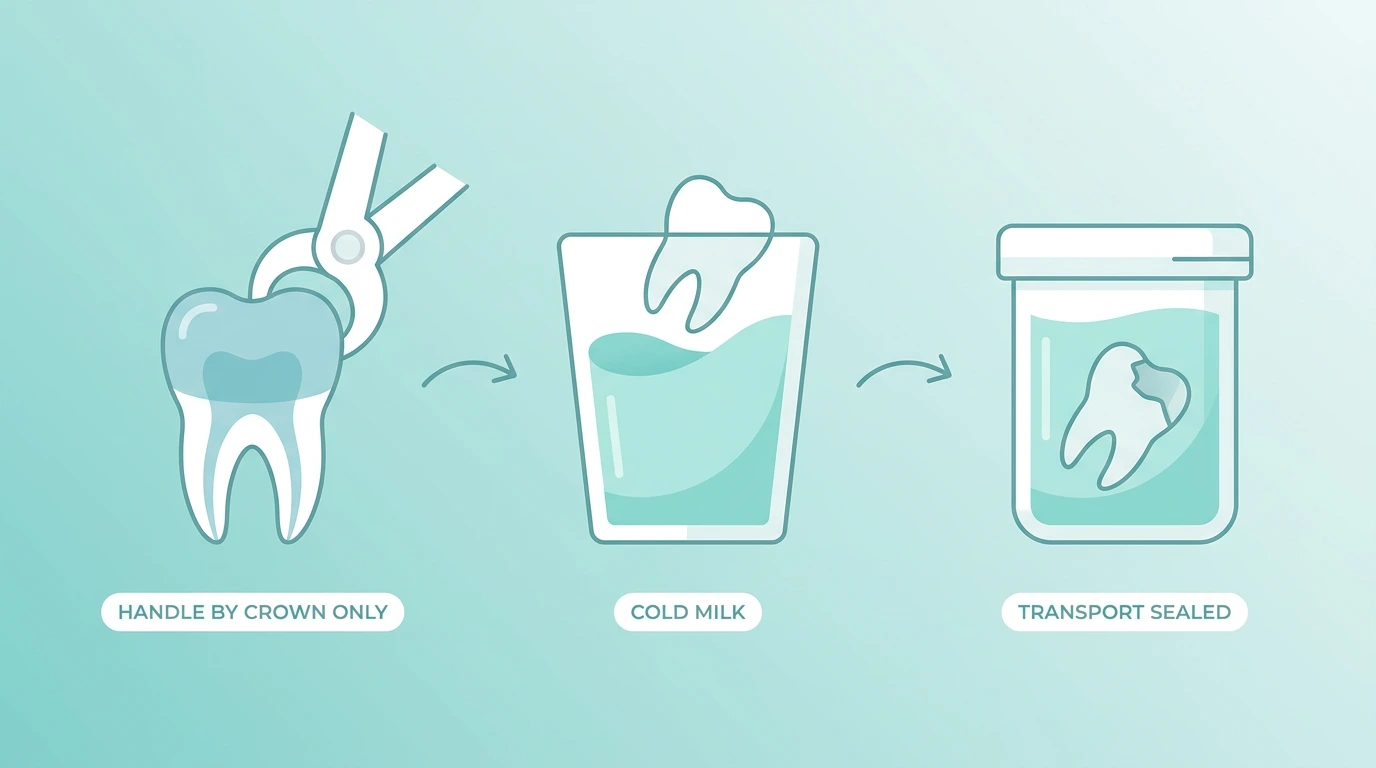
To preserve a broken tooth fragment, handle it strictly by the enamel crown rather than any exposed root surface. Gently rinse away visible debris with water without scrubbing, then submerge the piece completely in a small container of cold milk or your own saliva until your dental evaluation.

Safeguarding the broken fragment allows Dr. Herzig to determine whether reattaching your natural enamel remains a viable restorative option. Keeping the biological tissue hydrated is vital for structural integrity, so never leave pieces exposed to dry air or wrapped loosely in dry tissue paper.

Steps to Protect Broken Enamel

  • Handle by the crown: Touch only the outer white chewing surface to avoid damaging delicate cells that may remain on fractured edges.
  • Submerge in safe liquid: Store the piece in whole milk or saliva to maintain cellular moisture balance until your visit.
  • Keep the container cool: Transport the sealed container in a cool bag or pocket without freezing it directly against ice.
  • Bring fragments to the clinic: Deliver everything you recover directly to our dental team for immediate inspection under bright illumination.
Teal illustration of three steps for a broken tooth fragment: handle it by the crown only, place it in cold milk, and transport it in a sealed container.

When Does a Broken Tooth Require Immediate Urgent Care?

A broken tooth requires immediate care when accompanied by severe throbbing pain, visible red pulp tissue, persistent bleeding, or facial swelling. These symptoms indicate structural trauma that compromises nerve vitality and leaves the deeper jaw tissues vulnerable to rapid bacterial infection, necessitating prompt professional attention from a dental provider.

Trauma to the oral cavity ranges from minor aesthetic chips to severe vertical root fractures that penetrate beneath the gumline. If you notice a small red dot in the center of the fracture line, the dental pulp is exposed, meaning nerve tissue is unprotected and requires prompt intervention.

Urgent Warning Signs to Watch For

  • Uncontrolled bleeding: Blood flow that does not subside after ten minutes of firm, continuous gauze pressure.
  • Visible pulp exposure: A pink or red spot inside the break confirming that delicate internal nerve chambers are open to air.
  • Spreading facial swelling: Puffy cheeks, lips, or jawlines suggesting an active infection or deep tissue inflammatory reaction.
  • Trauma to the jaw: Inability to close your teeth together naturally, which may indicate a dislocated or fractured bone.
The text Protect the Dental Pulp is centered inside a light teal banner accented by a medical shield and a tooth icon.

What to Expect During an Emergency Dental Exam

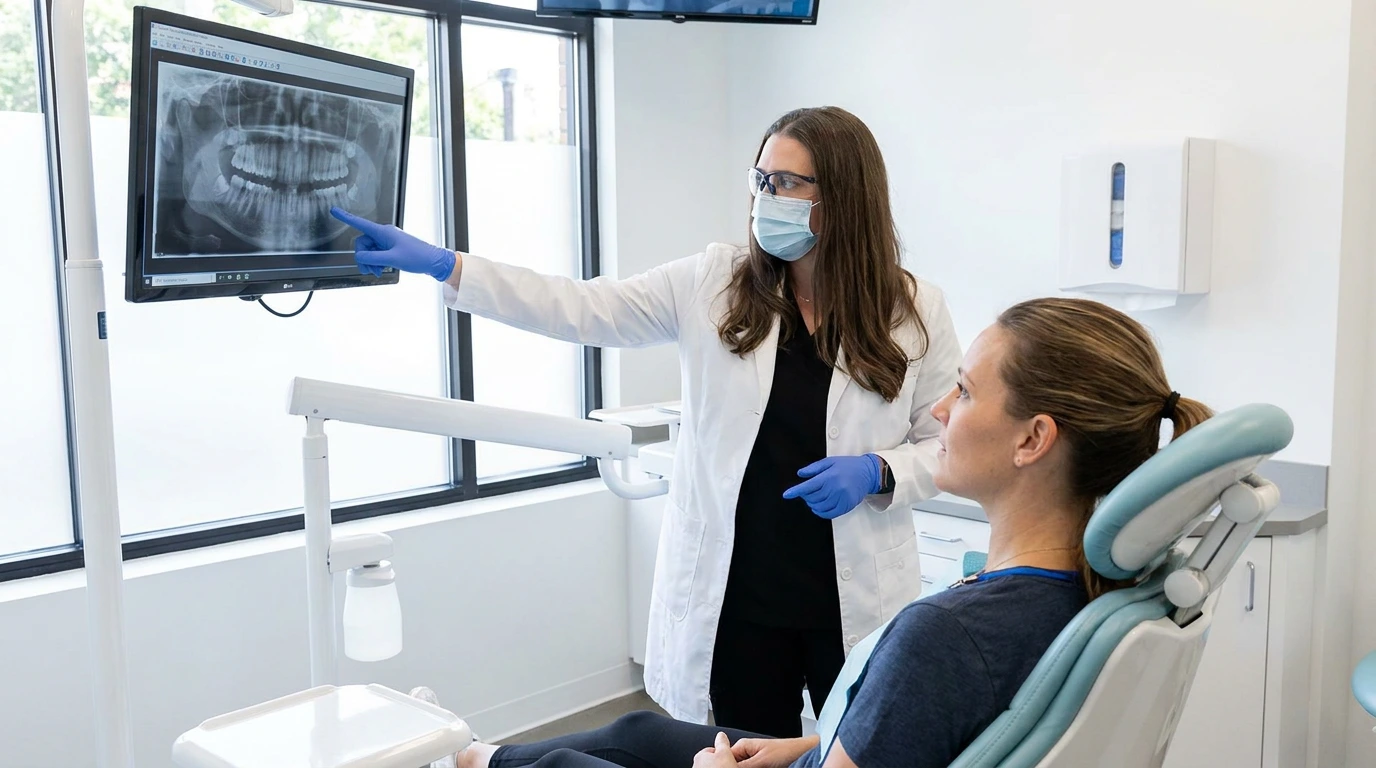
During an emergency dental exam, Dr. Herzig performs a gentle physical evaluation and uses modern imaging to assess root stability and underlying bone. She reviews your symptoms, checks tooth vitality, and explains suitable options for emergency dental care to alleviate discomfort and restore stability.

Thorough diagnostic techniques help identify micro-fractures that run parallel to the root canal, which might otherwise remain hidden beneath the gumline. Our clinical team checks neighboring teeth in the arch to verify that secondary trauma has not loosened adjacent structures during the impact.

Once Dr. Herzig confirms the full depth of the fracture line, she will outline an individualized treatment plan designed to preserve as much natural tooth structure as possible. Throughout the assessment, our focus remains on providing gentle, reassuring care that eases anxiety while addressing urgent functional needs for residents near North Loop and surrounding neighborhoods.

Dr. Herzig points to a panoramic dental X-ray on a monitor while reviewing the scan with a patient seated in a dental chair.

Schedule Your Emergency Dental Evaluation Today

Do not let a broken tooth disrupt your health and daily routine. Contact our team at Loop Dental in Minneapolis to schedule your emergency dental evaluation with Dr. Herzig and protect your natural smile.

Welcoming dental office at Loop Dental

Which Dental Treatments Repair a Severely Fractured Tooth?

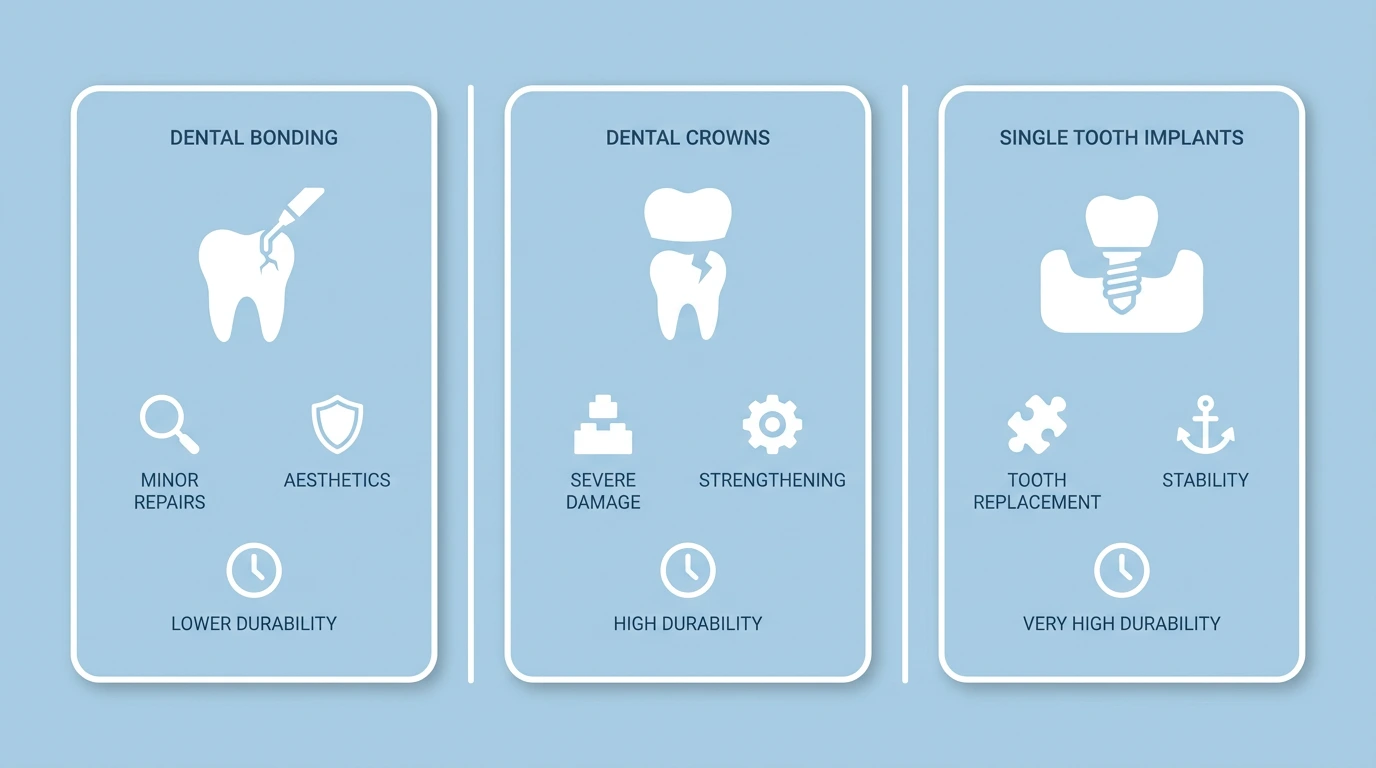
Restoring a severely broken tooth typically involves protective options such as custom dental crowns, restorative bonding, or treatment for the tooth's nerve if the inner pulp has suffered trauma. When structural damage extends deeply below the bone level, extraction followed by an implant may provide a dependable replacement option.

Selecting the correct restorative pathway depends entirely on how much healthy supragingival enamel remains above the gum tissue. Dr. Herzig strives to preserve natural biological teeth whenever feasible, utilizing resilient restorative materials designed to withstand everyday biting forces.

Common Restorative Procedures

  • Protective dental crowns: Full-coverage restorations like dental crowns encase the remaining tooth structure to help prevent fractures from spreading downward.
  • Cosmetic bonding: Tooth-colored composite resins can reshape minor fractures, blended seamlessly for front teeth or small non-load-bearing chips.
  • Supportive dental bridges: When severe breakage demands tooth removal, dental bridges can bridge the gap using adjacent anchor teeth.
  • Single tooth implants: Replacing a non-restorable root with single tooth implants maintains jawbone stimulation and independent support.
Three pale blue cards comparing dental bonding, dental crowns, and single tooth implants by typical use and durability.

How Can You Manage Pain Before Your Appointment?

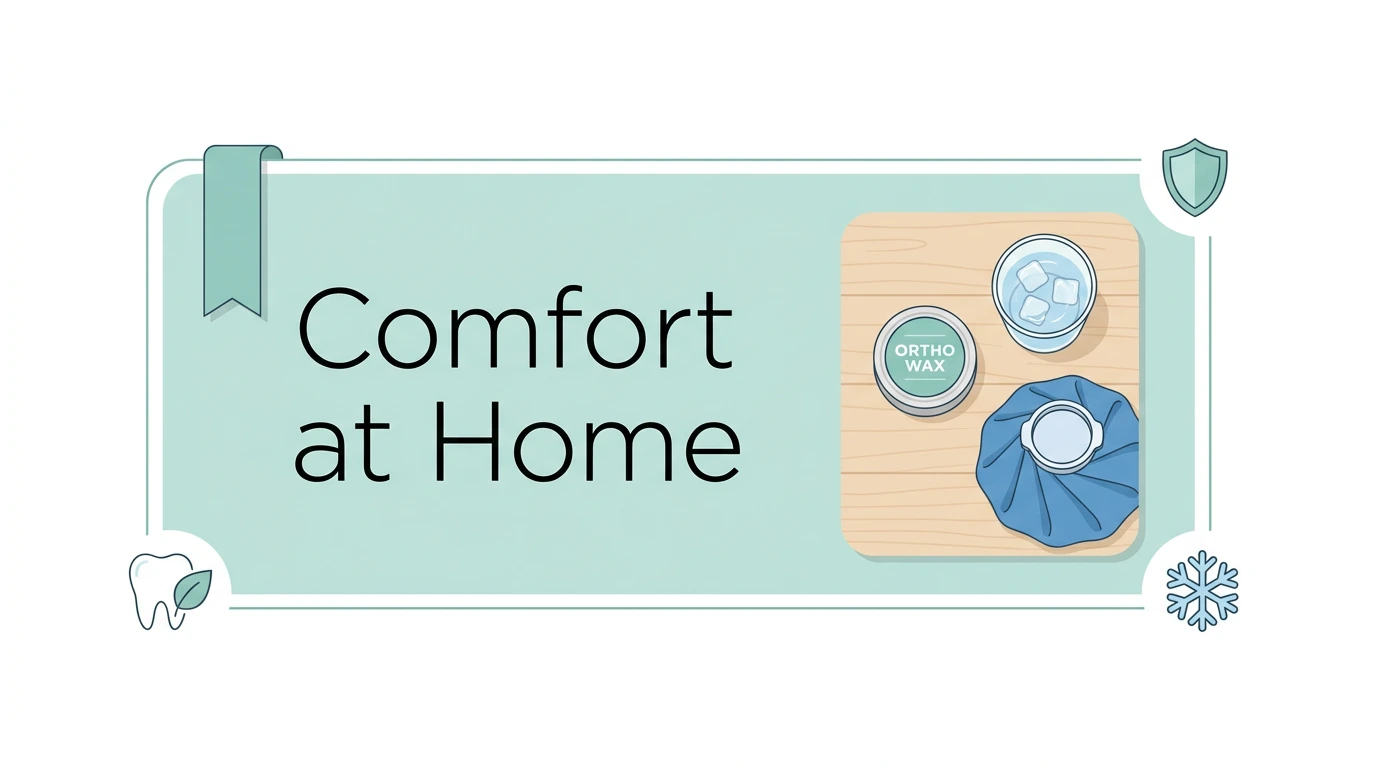
You can manage discomfort at home by taking over-the-counter anti-inflammatory pain relievers according to package directions, holding an ice pack against your outer jaw, and avoiding hot, cold, or acidic foods. Rinsing with warm salt water can also soothe irritated gum tissue surrounding the fractured area.

A fractured tooth often exposes tiny microscopic tubules within the dentin layer, allowing temperature extremes to trigger sharp sensations in the dental pulp. If sharp edges threaten to cut your tongue or the inside of your cheek, cover the jagged surface with clean orthodontic wax or sugar-free chewing gum as a temporary shield.

Never place topical analgesics directly against broken tooth surfaces or adjacent gum tissues, as this can irritate delicate oral mucosa. Sticking to room-temperature, soft foods like yogurt, applesauce, or smooth soups protects the remaining enamel from additional mechanical strain until Dr. Herzig can assess your tooth.

Graphic callout box reading Comfort at Home beside an illustration of ortho wax, a glass of ice water, and an ice pack on a wooden tray.

What Factors Influence the Cost of Broken Tooth Repair?

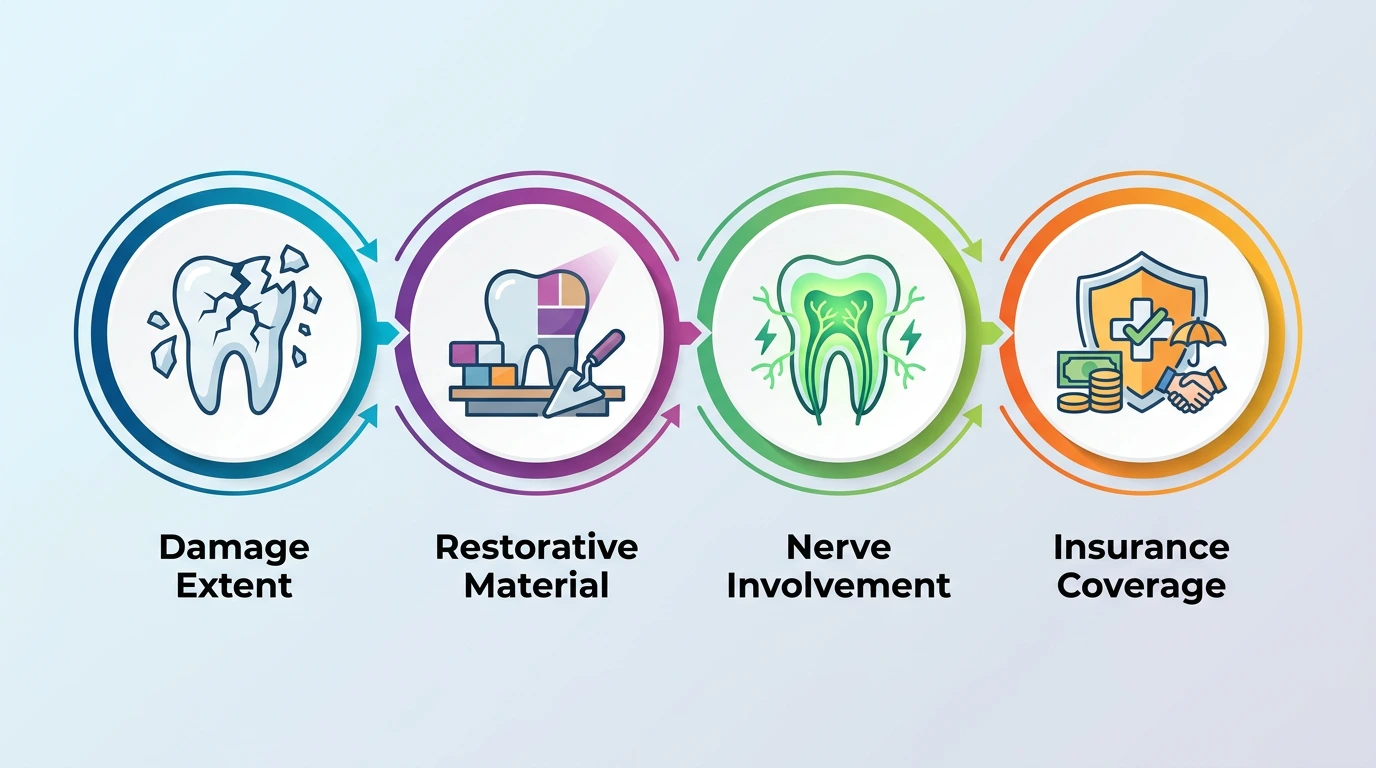
The cost of broken tooth repair depends on the severity of the fracture, the required restorative treatment, diagnostic imaging needs, and whether specialized treatment for the tooth's nerve is necessary. Dental insurance coverage, deductible levels, and third-party payment options also shape overall out-of-pocket expenses.

Because every structural fracture presents unique challenges, fees vary widely based on clinical complexity rather than a standardized flat rate. A superficial chip requiring composite resin will involve significantly fewer materials and clinical steps than a tooth requiring multi-surface structural rebuilding.

Primary Cost Drivers for Fractures

  • Extent of damage: Minor superficial enamel smoothing requires less chair time than complex multi-surface reconstruction.
  • Material choice: High-grade dental ceramics, custom porcelain, or composite resins feature different fabrication and laboratory considerations.
  • Pulpal involvement: Fractures extending into living nerves may require specialized therapy before final restorations are placed.
  • Insurance benefits: Policies differ regarding coverage levels for restorative procedures versus emergency palliative treatment.
Four circular badges showing cost factors for a broken tooth repair: damage extent, restorative material, nerve involvement, and insurance coverage.

Restoring Your Smile and Oral Health

Experiencing unexpected dental trauma can feel overwhelming, but modern dentistry provides dependable, durable pathways to restore your smile. Taking quick action at home by protecting broken fragments, keeping the area clean, and seeking timely professional evaluation can improve the clinical prognosis for compromised teeth. Dr. Herzig and our team at Loop Dental work closely with patients from Central Minneapolis and neighboring areas to address urgent concerns with precision and genuine compassion.

Leaving a fractured tooth untreated invites progressive bacterial decay, internal root infections, and deeper fractures that may ultimately render an otherwise salvageable tooth non-restorable. Through comprehensive restorative solutions ranging from aesthetic repairs to full ceramic caps, our practice helps restore comfortable chewing function and aesthetic balance. If you or a loved one encounters a dental injury, reach out right away so our experienced clinical team can evaluate the tooth, relieve your discomfort, and design a customized path to recovery.

A smiling patient wearing a beige sweater relaxes in an armchair beside a sunny window with a potted plant in a bright living room.
Categories:
No items found.

Frequently Asked Questions

1. What is the very first thing I should do if a tooth breaks?
Rinse your mouth gently with warm water, apply clean gauze if bleeding occurs, save any broken pieces in cold milk, and call our team right away to schedule an evaluation.

2. Can a broken tooth heal on its own without treatment?
No, dental enamel cannot regenerate or repair itself naturally, meaning an untreated broken tooth remains vulnerable to deeper structural cracks and bacterial infection until professionally restored.

3. How long can I wait before seeing a dentist for a broken tooth?
You should contact our team promptly to schedule an exam, especially for painful breaks or visible pulp exposure, to prevent infection and protect the remaining tooth structure.

4. What happens if I swallow a piece of my broken tooth?
Swallowing a small piece of natural enamel is rarely dangerous, as it typically passes harmlessly through your digestive tract, but you should still have Dr. Herzig examine the remaining tooth structure.

5. Can Dr. Herzig reattach a broken piece of my tooth?
In many cases, Dr. Herzig can reattach intact enamel fragments using dental bonding materials, provided the fragment has been kept moist and undamaged before she evaluates it.

6. Will I definitely need a root canal if my tooth is broken?
Not every broken tooth requires a root canal; internal nerve therapy is only necessary if the crack exposes or significantly inflames the internal dental pulp tissue.

7. How should I store a broken tooth fragment before my visit?
Store the tooth fragment fully submerged in a small, clean container of cold whole milk, saline solution, or your own saliva rather than plain tap water.

8. What should I avoid eating while dealing with a broken tooth?
Avoid hard, crunchy, very hot, icy cold, or sweet foods, and chew solely on the uninjured side of your mouth using soft food choices.

9. Is a cracked tooth considered a true dental emergency?
A cracked tooth is considered an emergency if it causes sharp biting pain, continuous throbbing, bleeding, or noticeable swelling in your gums or face.

10. Can emergency rooms treat a broken tooth?
Emergency rooms aren't equipped to treat dental problems directly, though they can manage severe facial bleeding or prescribe short-term relief until you see a dentist.


Book Your Dental Appointment Today

We welcome both new and returning patients to our Minneapolis dental clinic. Tell us what you need, and we’ll take care of the rest.

Thank you for booking your appointment!

We’ve received your request and will contact you soon to confirm the details. We look forward to seeing you at Loop Dental.

Oops! Something went wrong while submitting the form.
Related Blog Posts

Stay Informed with Expert Insights & Tips About Dental Care

A white molar tooth with a distinct crack line across its chewing surface sits centered against a neutral gray background.
11.5.2026

What to Do in a Broken Tooth Emergency

Managing a broken tooth emergency requires quick preservation steps and prompt restorative care at Loop Dental.

Lucas, wearing a navy sweater, sits at a desk, wincing while holding an ice pack wrapped in a blue cloth to his right cheek.
10.7.2026

Chipped Tooth Repair: What to Do Now

Chipped teeth require prompt attention to prevent serious complications like infection or further damage, with treatments ranging from bonding to crowns.

Benjamin is seated at a kitchen island, wearing an olive shirt, holding an open box labeled "TAKE-HOME TEETH WHITENING KIT" and a syringe, with a mug and newspaper on the counter.
9.8.2026

5 Questions for Your Smile Makeover Consultation

Understanding the questions to ask before a smile makeover consultation helps patients navigate procedures, timelines, costs, candidacy, and maintenance for a confident, natural-looking result.

Ready for a Smile You’ll Love? Let’s Make It Happen.

Book your appointment in just a few clicks. Our friendly Minneapolis team is here to make your visit easy, comfortable, and completely worth it. From your first call to your final smile, we’re with you every step of the way.