Back to Blogs

How Dental Bridges Restore Your Smile

Dental bridges restore your smile by replacing missing teeth, improving ability to chew, speak, and boosting confidence in everyday life.

July 10, 2026
5 min read
Mark, wearing a navy crewneck, opens a pasta container at his dining table, looking forward to eating.
Back to Blogs
Mark, wearing a navy crewneck, opens a pasta container at his dining table, looking forward to eating.

How Dental Bridges Restore Your Smile

Dental bridges restore your smile by replacing missing teeth, improving ability to chew, speak, and boosting confidence in everyday life.

July 10, 2026
5 min read

Understanding Dental Bridges

Dental bridges literally "bridge" the gap created by one or more missing teeth by anchoring artificial teeth to your natural teeth or implants on either side of the space.

This common restorative dentistry solution can significantly improve your ability to chew, speak, and smile with confidence. At Loop Dental in Minneapolis, MN, Dr. David Bates helps patients understand how a fixed bridge dentistry solution can provide a stable and aesthetic replacement for missing teeth. His approach focuses on restoring both function and appearance.

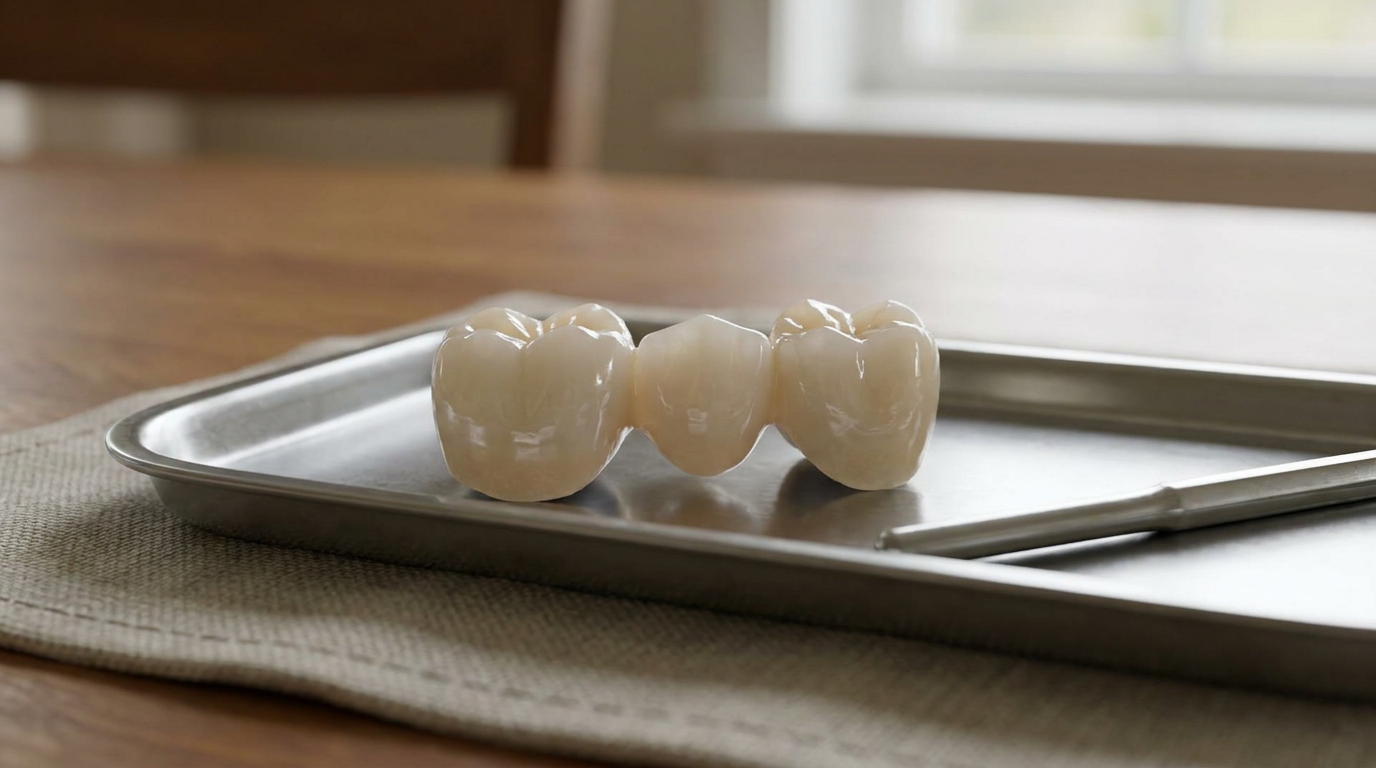
A close-up shot of a traditional dental bridge, meticulously crafted from porcelain, resting on a sterile dental tray.

What Types of Dental Bridges Are Available?

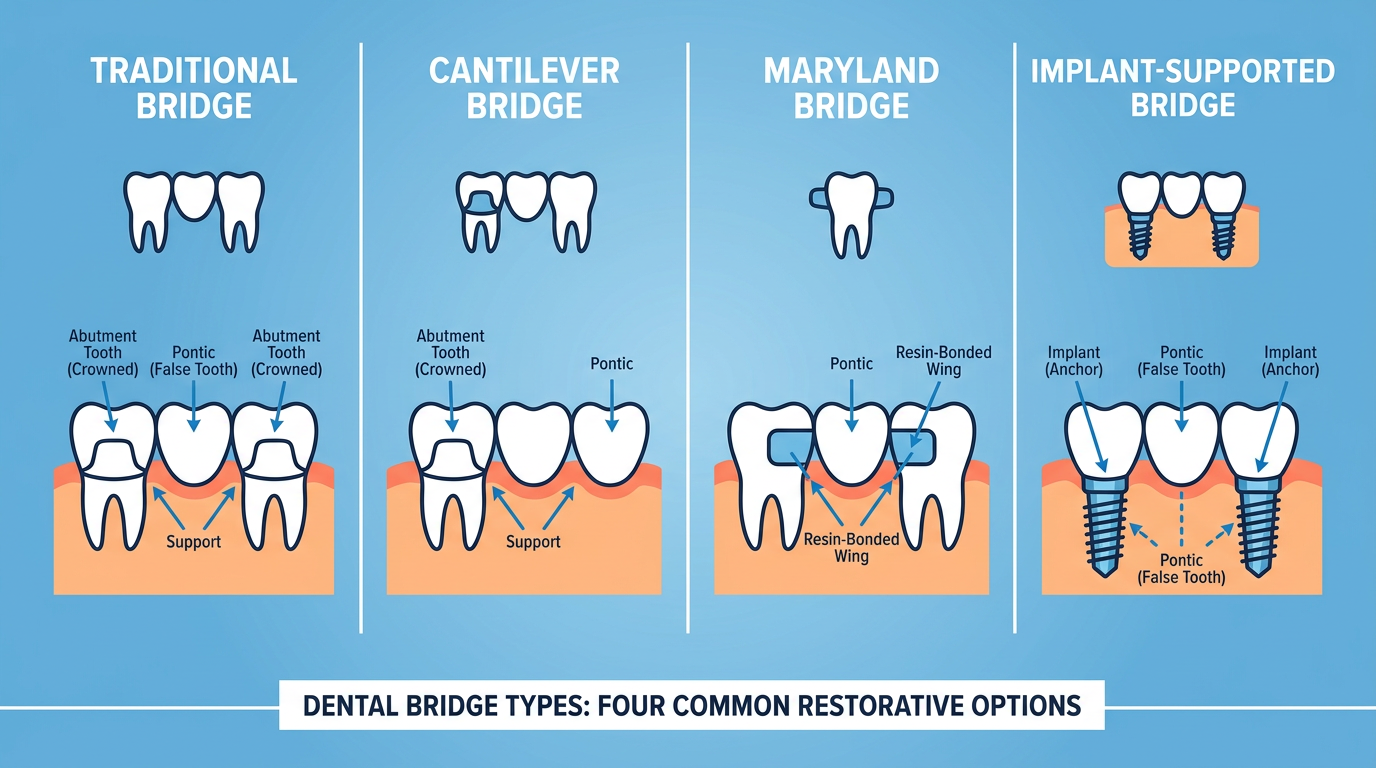
Several types of dental bridges exist, each designed for different situations, with traditional, cantilever, Maryland, and implant-supported being the most common.

The best type of bridge depends on factors like the number of missing teeth, the condition of adjacent teeth, and your bone health. Dr. David Bates at Loop Dental will discuss these options with you during your consultation to determine the most suitable choice for your needs.

Common Dental Bridge Varieties

  • Traditional Bridges: These are the most common type, consisting of one or more pontics (artificial teeth) held in place by dental crowns cemented onto the natural teeth adjacent to the gap. This option requires shaping the natural teeth.
  • Cantilever Bridges: Used when there is only one natural tooth adjacent to the missing tooth gap. The pontic is anchored by a crown on just one side. These are less common due to potential stress on the anchor tooth.
  • Maryland Bonded Bridges: These bridges use a metal or porcelain framework bonded to the back of the adjacent natural teeth, requiring minimal enamel reduction. They are often used for front teeth.
  • Implant-Supported Bridges: Instead of crowns on natural teeth, these bridges are secured by dental implants placed surgically into the jawbone. This provides a very stable and long-lasting tooth replacement option.
An infographic detailing the four main types of dental bridges: Traditional, Cantilever, Maryland, and Implant-Supported.

How Does the Dental Bridge Procedure Work?

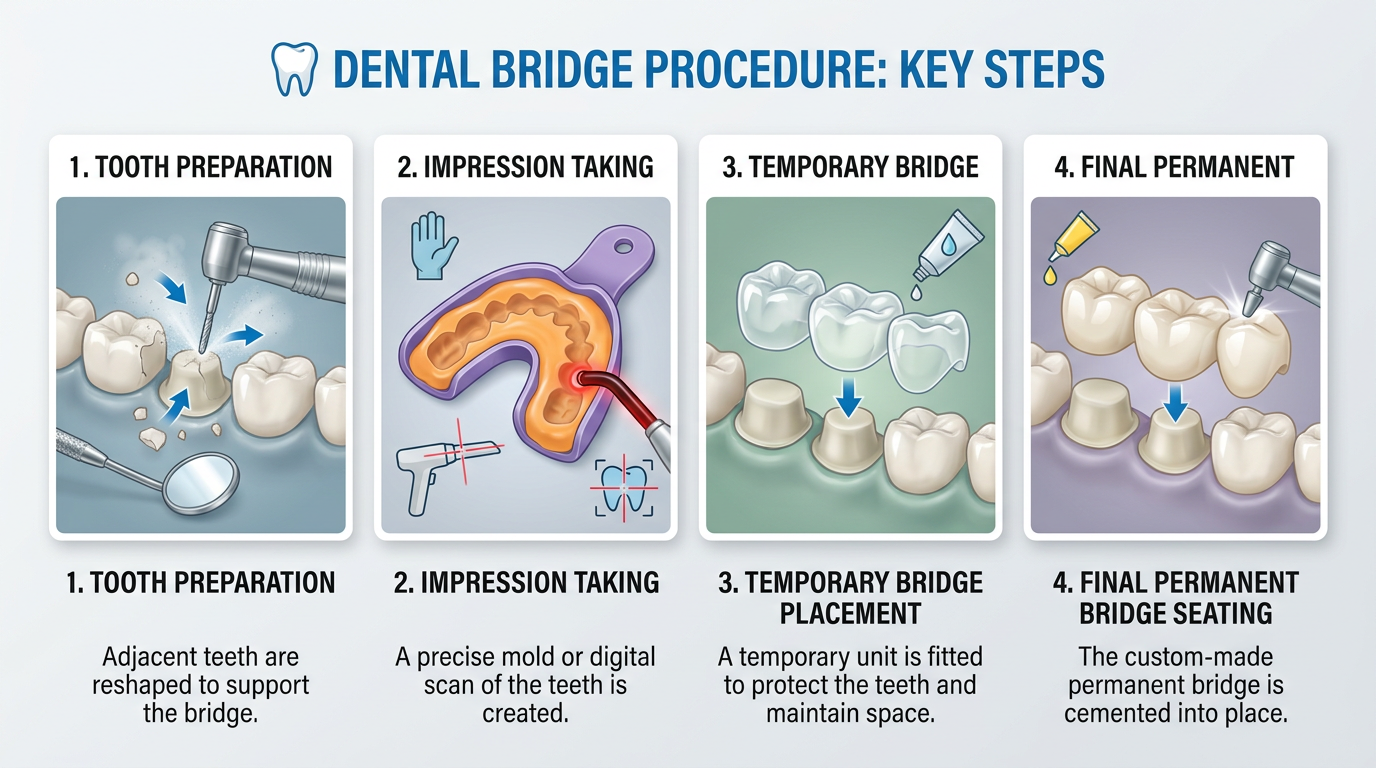
The dental bridge procedure typically involves two or more visits to the dentist, encompassing preparation of abutment teeth, impressions, and final placement of the custom-made bridge.

This multi-step process ensures your bridge fits precisely and looks natural. Understanding the timeline helps you prepare for your treatment. Dr. David Bates carefully guides patients through each phase of their dental bridge procedure.

Steps in Dental Bridge Placement

  • Initial Consultation and Preparation: During your first visit, Dr. Bates will prepare the abutment teeth (the teeth that will support the bridge) by removing a small amount of enamel. This creates space for the crowns that will hold the bridge. Impressions of your teeth are then taken.
  • Temporary Bridge Placement: While your custom bridge is being fabricated in a dental lab, a temporary bridge is placed to protect the exposed teeth and gums and to maintain aesthetics. This usually lasts for about two weeks.
  • Final Bridge Placement: On your second visit, the temporary bridge is removed, and your new, permanent bridge is carefully checked for fit and bite. Any necessary adjustments are made, and then the bridge is semi-permanently or permanently cemented into place.
  • Follow-Up: Dr. Bates may schedule a follow-up appointment to ensure the bridge is functioning well and to address any concerns.
A detailed illustration of the dental bridge procedure's key steps: tooth preparation, impression taking, temporary bridge placement, and final permanent bridge seating.

Benefits of Choosing a Dental Bridge

Choosing a dental bridge offers numerous benefits, including restoring your ability to chew and speak properly, maintaining facial shape, and preventing remaining teeth from shifting.

Beyond the aesthetic improvement, dental bridges play a crucial role in your overall oral health. Dr. David Bates at Loop Dental emphasizes how bridges can significantly enhance your quality of life, especially for those in the Central Minneapolis area seeking comprehensive tooth replacement options.

Missing teeth can lead to a cascade of oral health issues, such as bone loss, shifting teeth, and difficulty speaking or eating. A dental bridge can prevent these problems by providing a stable and functional replacement. It helps distribute the forces in your bite properly, which protects your remaining natural teeth from excessive wear. Patients often report an immediate boost in their confidence, feeling more comfortable smiling, laughing, and socializing.

Mark, confidently biting into a crisp green apple on a sunny garden patio, his smile broad and assured.

Schedule Your Dental Bridge Consultation Today

If you're considering dental bridges or other tooth replacement options in Minneapolis, contact Loop Dental to schedule a consultation with Dr. David Bates. He will assess your oral health and discuss the best solutions to restore your smile and confidence. Visit loopdentalmn.com/contact-us or call our office today.

How Long Do Dental Bridges Last and How Do I Care for Them?

With proper care and good oral hygiene, dental bridges can last 5 to 15 years or even longer, making regular cleaning and dental visits essential for their longevity.

Adhering to a strict oral hygiene routine is crucial for extending the life of your bridge and protecting your remaining natural teeth from decay and gum disease. Dr. David Bates provides comprehensive guidance on maintaining your new restoration.

Tips for Long-Term Bridge Care

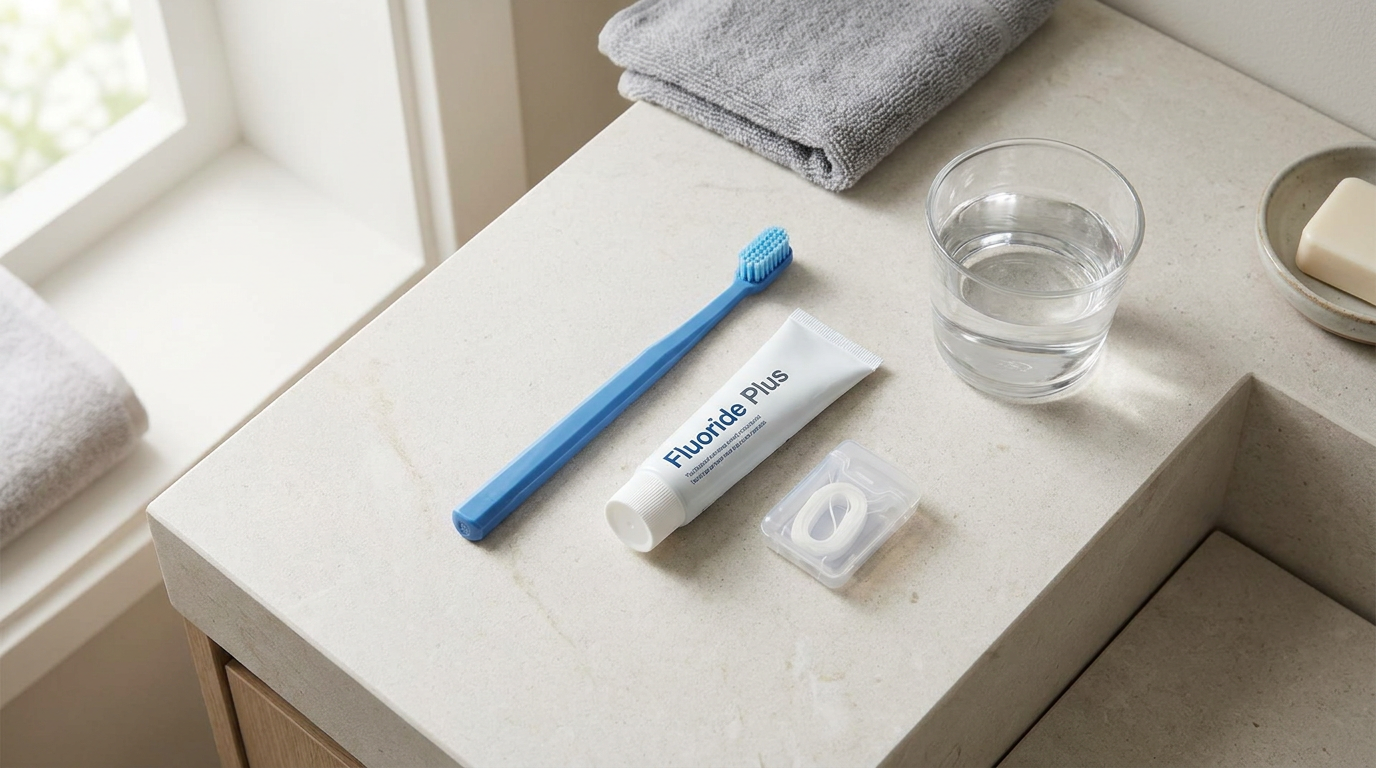
  • Brush and Floss Regularly: Just like natural teeth, your bridge and the surrounding gums need daily brushing and flossing. Use a soft-bristled toothbrush and fluoride toothpaste.
  • Special Flossing for Bridges: Because bridges are connected, a regular floss threader or a specialized bridge floss is needed to clean under the pontic (artificial tooth) and around the abutment teeth.
  • Avoid Hard and Sticky Foods: Chewing on ice, hard candies, or very sticky foods can damage your bridge or cause it to dislodge.
  • Regular Dental Check-ups: Visit Loop Dental in Minneapolis for routine dental exams and cleanings. Dr. Bates can monitor the health of your bridge and surrounding teeth, making sure issues are caught early.
An overhead shot of a bathroom counter with a soft-bristled toothbrush, fluoride toothpaste, and a specialized floss threader next to a small glass of water.

Dental Bridge vs. Dental Implant: Which Is Right for Me?

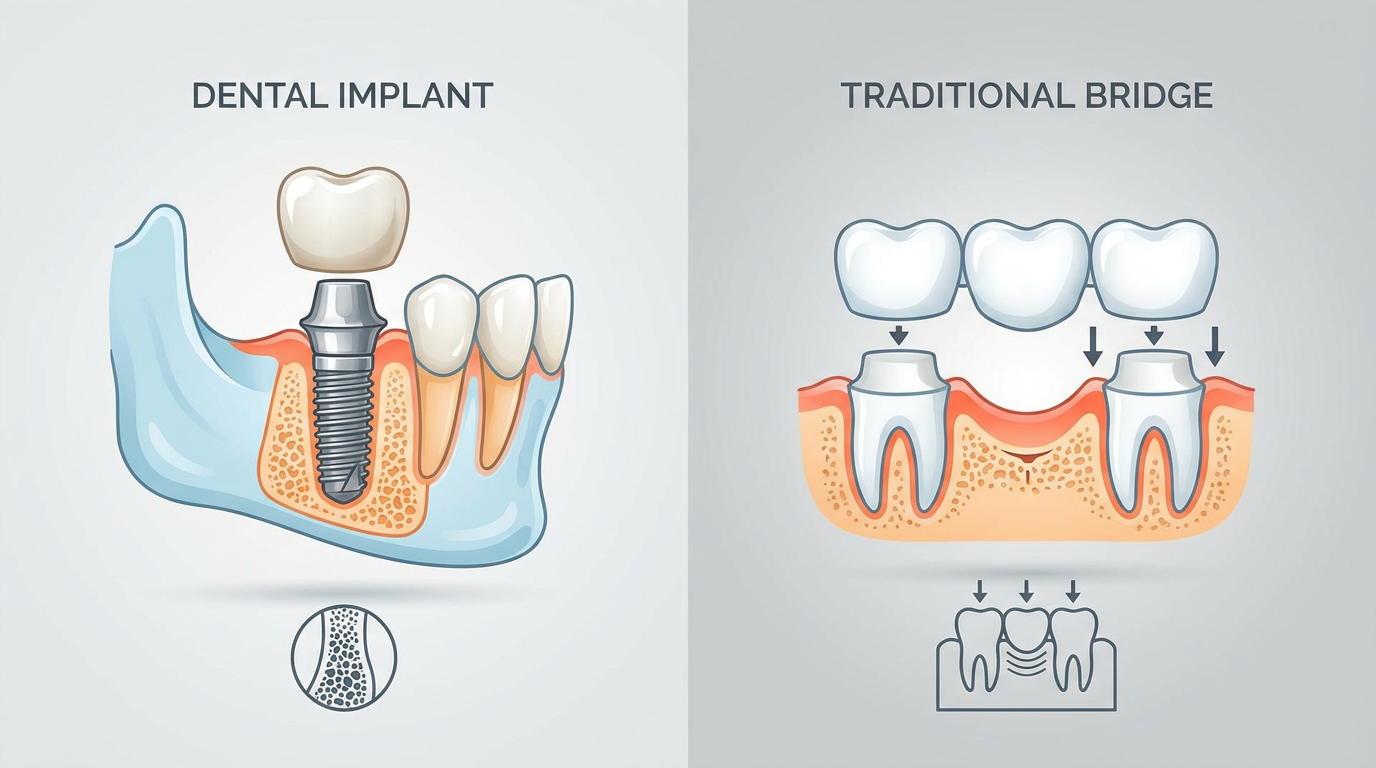
Both dental bridges and dental implants are effective tooth replacement options, but implants offer a standalone solution that doesn't affect adjacent teeth, while bridges rely on them for support.

The choice between a dental bridge vs implant depends on individual needs, oral health, and budget. Dr. David Bates will thoroughly evaluate your situation to recommend the best treatment for you.

When considering tooth replacement, patients often weigh these two primary options. Implants are surgically placed into the jawbone, providing a highly stable and long-lasting foundation for a crown or bridge. They also stimulate the jawbone, preventing bone loss. Bridges, while effective, require the adjacent teeth to be prepared for crowns, which may not be ideal if those teeth are perfectly healthy. The initial investment for implants can be higher, but they often have a longer lifespan. For patients seeking a durable solution without impacting healthy adjacent teeth, implants are often the preferred choice. For others, a bridge might be a quicker and more cost-effective solution initially.

A comparison visual showing a simplified cross-section of a dental implant vs.

What About Eating and Speaking With a Dental Bridge?

After a brief adjustment period, eating and speaking with a dental bridge should feel completely natural, allowing you to enjoy your favorite foods and communicate clearly without discomfort.

Initially, you might want to eat softer foods and cut them into smaller pieces, but your ability to chew will significantly improve. Dr. David Bates assures patients that bridges effectively restore oral function.

Adjusting to Your New Bridge

  • Eating Comfort: Immediately after placement, avoid extremely hot or cold foods as your teeth may be sensitive. Gradually reintroduce a normal diet. The improved biting surface will make chewing much easier than with missing teeth.
  • Speaking Clarity: Missing teeth can affect speech, leading to lisps or difficulty forming certain sounds. A dental bridge fills these gaps, often improving speech clarity very quickly.
  • Oral Sensation: While your new bridge may feel unfamiliar at first, it's designed to mimic the feel of natural teeth. Your mouth will adapt, and it will soon feel like a natural part of your bite.
  • Confidence Boost: Beyond function, many patients experience a significant boost in confidence, eager to smile and interact socially without self-consciousness about missing teeth.
Megan, laughing heartily at a cafe window seat with a friend, her hand lightly covering her mouth in a natural gesture.

Restoring Your Smile in Minneapolis

Missing teeth don't just affect your appearance; they impact your ability to eat, speak, and your overall oral health. A dental bridge offers a reliable and effective solution to restore the integrity and beauty of your smile. At Loop Dental in Minneapolis, MN, Dr. David Bates is dedicated to providing personalized care, ensuring that every patient receives a tooth replacement option perfectly suited to their individual needs. His expertise in restorative dentistry, combined with a compassionate approach, means you'll be guided through every step of the process with clarity and comfort. Whether you're in the North Loop or surrounding communities like Downtown West, his team is ready to help you rediscover the joy of a complete and healthy smile. Choosing a dental bridge can be a transformative decision, improving not just your oral function but also boosting your confidence. Take the first step towards a revitalized smile by exploring your options with a trusted professional.

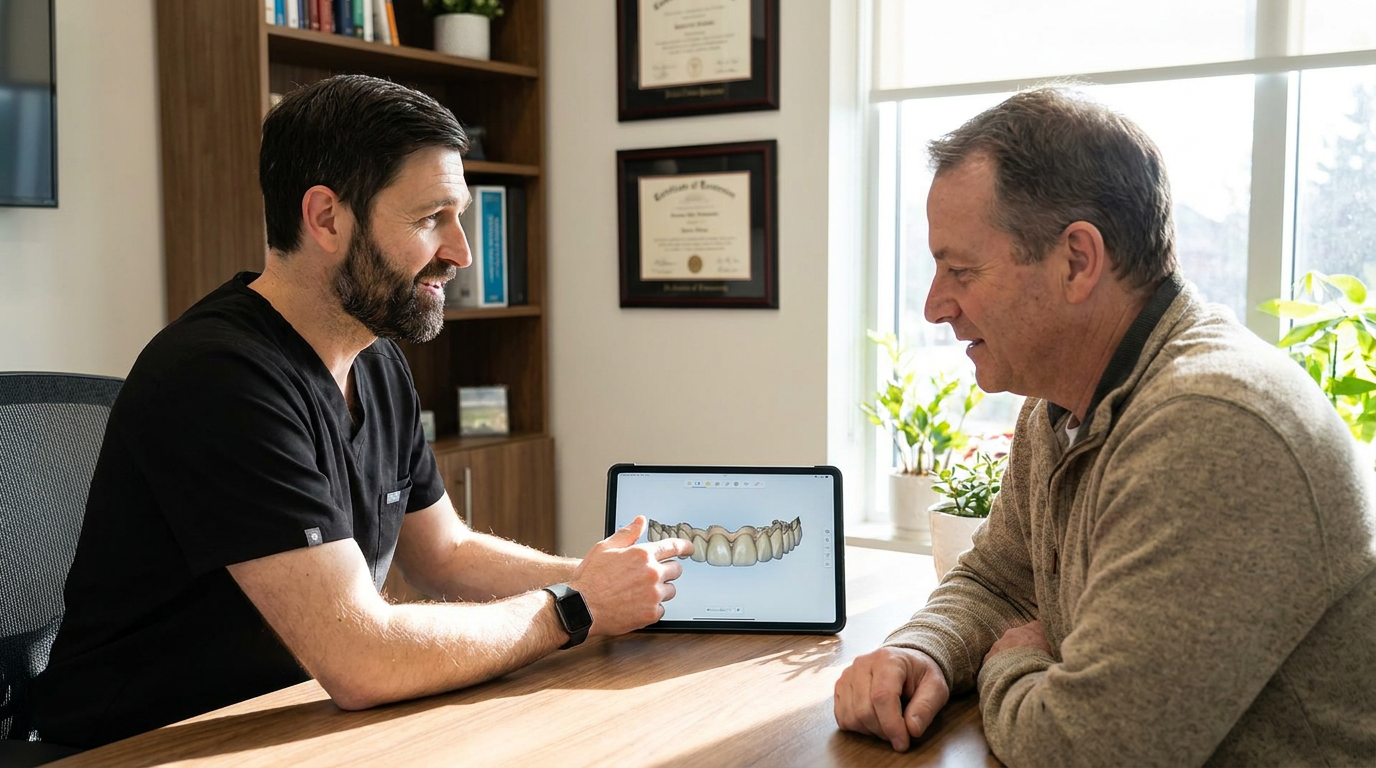
Dr. David Bates, speaking cordially with a middle-aged male patient in his office consult room, gesturing towards a digital model of a dental bridge on a tablet.
Categories:

Frequently Asked Questions

1. What is a "pontic" in a dental bridge?
A pontic is the artificial tooth (or teeth) that replaces the missing tooth.

2. How long does it take to get a dental bridge?
The process typically involves two visits over a few weeks, allowing time for custom fabrication of your bridge.

3. Does getting a dental bridge hurt?
The procedure is performed under local anesthesia, so you should not feel pain during the treatment. Some sensitivity might occur afterward.

4. Can I get a dental bridge if I have gum disease?
Active gum disease needs to be treated and stabilized before a dental bridge can be placed.

5. Are dental bridges covered by insurance?
Many dental insurance plans offer some coverage for dental bridges, as they are considered a restorative procedure.

6. Can a dental bridge replace multiple missing teeth?
Yes, a single dental bridge can often replace several consecutive missing teeth.

7. How do I clean under my dental bridge?
Special tools like floss threaders or interdental brushes are used to clean under the pontic of the bridge.

8. What is the difference between a dental crown and a bridge?
A crown covers a single damaged tooth, while a bridge replaces one or more missing teeth by being anchored to adjacent teeth or implants.

9. Will a dental bridge look natural?
Dr. David Bates ensures that bridges are custom-made to match your existing teeth in color, shape, and size for a natural appearance.

10. Can I get a consultation for dental bridges at Loop Dental in Minneapolis?
Yes, you can schedule a consultation with Dr. David Bates at Loop Dental to discuss your tooth replacement options.


Book Your Dental Appointment Today

We welcome both new and returning patients to our Minneapolis dental clinic. Tell us what you need, and we’ll take care of the rest.

Thank you for booking your appointment!

We’ve received your request and will contact you soon to confirm the details. We look forward to seeing you at Loop Dental.

Oops! Something went wrong while submitting the form.
Related Blog Posts

Stay Informed with Expert Insights & Tips About Dental Care

Mark, wearing a navy crewneck, opens a pasta container at his dining table, looking forward to eating.
7.10.2026

How Dental Bridges Restore Your Smile

Dental bridges restore your smile by replacing missing teeth, improving ability to chew, speak, and boosting confidence in everyday life.

Kayla in an olive button-down shirt sips coffee and smiles brightly at a cafe window.
7.10.2026

Your Minneapolis Smile Transformation Starts Here

Discover how cosmetic dentistry can transform your smile and confidence, addressing concerns and

Andrew, wearing a navy crewneck, holds a water bottle and ties his running shoes on a tree-lined street.
7.10.2026

Your Guide to Dental Implants in Minneapolis

Dental implants offer a durable and natural-feeling solution for missing teeth, restoring confidence and improving oral health.

Ready for a Smile You’ll Love? Let’s Make It Happen.

Book your appointment in just a few clicks. Our friendly Minneapolis team is here to make your visit easy, comfortable, and completely worth it. From your first call to your final smile, we’re with you every step of the way.